



Maximizing Efficiency with the Right SaaS Tools
For a developer, there are few headaches quite like a stalled road adoption. You have built the road, the residents have moved in, but the local authority refuses to sign off on the Section 38 or Section 278 agreement.
Suddenly, you are trapped in "maintenance limbo," paying for upkeep on a road that should have been handed over months ago.
At MA2 Consultants, we see this scenario often. The issue is rarely that the road looks bad; it’s that the evidence doesn't exist to prove it was built right from the bottom up.
Here are the three most common groundwork reasons for adoption refusal and how to prevent them.

1. Lack of Compaction Evidence
A road is only as good as its sub-base. Councils are increasingly strict about seeing proof that the layers beneath the asphalt were compacted correctly. If you cannot produce density test results (such as Non-Nuclear or Nuclear Density Gauge reports) for the sub-base and binder course, the council may assume the ground is liable to sink.
- The Fix: Implement a rigorous testing schedule during the earthworks phase, not just at the end.
2. Air Void Content Issues
If your asphalt core samples reveal air void contents that are too high, the material is permeable. Water gets in, freezes, expands, and creates potholes within a few winters. Councils know this leads to expensive repairs, so they will reject the work immediately.
- The Fix: Regular coring and on-site analysis during the lay ensure you are hitting the target density before the pavers leave the site.
3. The "Golden Thread" of Paperwork is Missing
Often, the testing was done, but the chain of custody or the final reporting is messy. A pile of disjointed PDFs doesn't inspire confidence.
- The Fix: We provide a consolidated, certified testing package. When the council inspector asks, "Was this ground certified?" you hand them a single, professional dossier that answers "Yes."
Conclusion
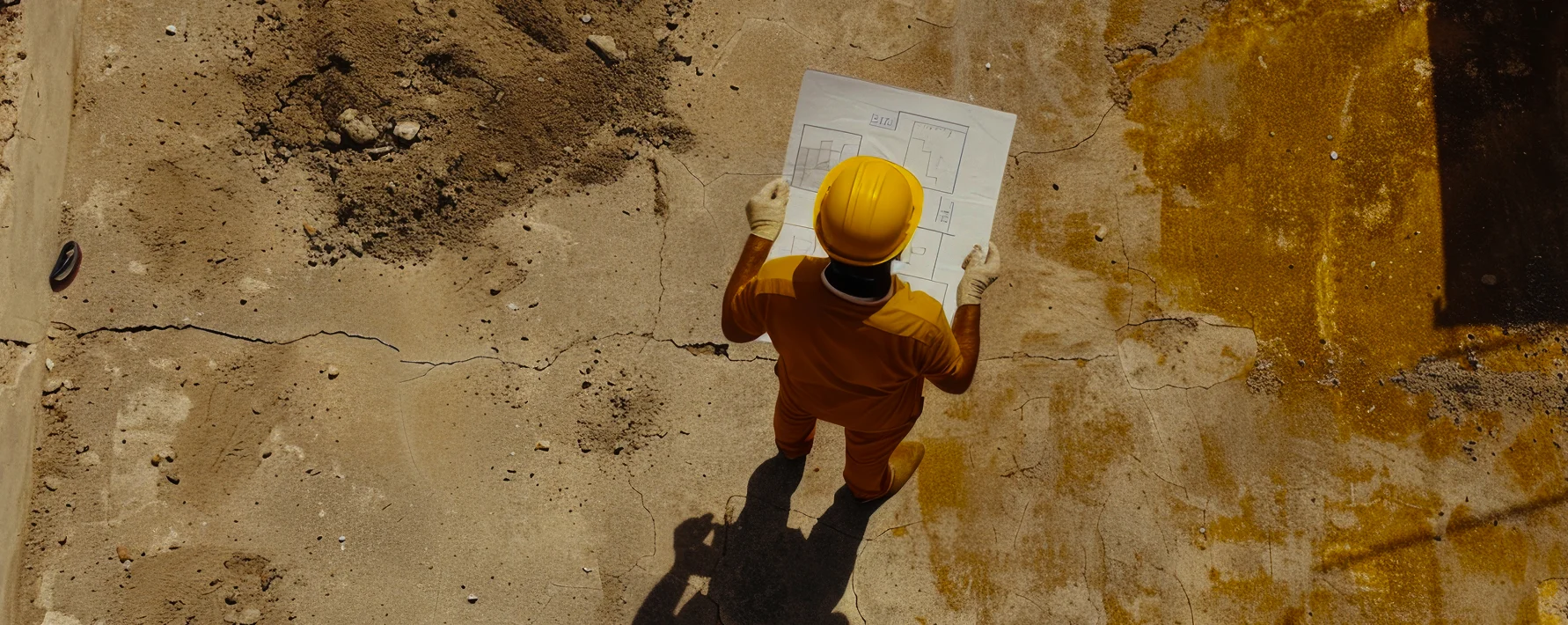
Don't build on hope; build on data. By integrating professional testing and inspections from day one, you ensure your project is built on certified, reliable ground, ready for a smooth handover.